
Climate-Resilient Concrete Models
Loughborough University created advanced predictive models for concrete "spalling" (saltwater rusting internal steel) to rapidly update building codes for climate-stressed coastal infrastructure.
Read Full StoryThe Latest Briefs
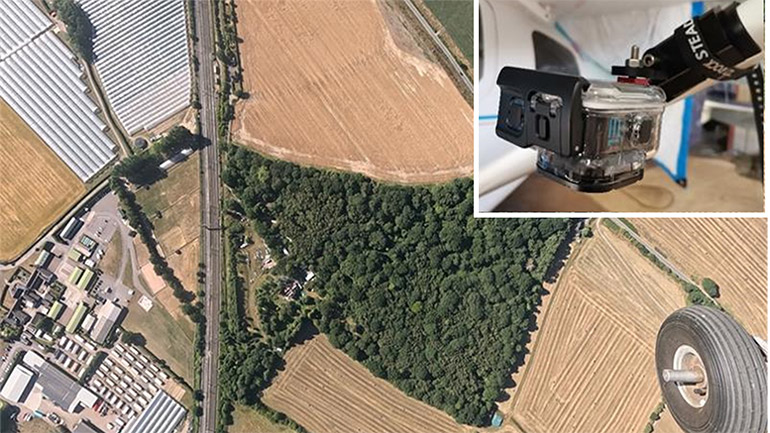
Space-Optimised AI for Infrastructure Monitoring
University of Leicester researchers shrank AI neural networks to run directly on satellites, enabling real-time, low-cost space tracking of civil infrastructure and environmental hazards.
Read Article
Daphnia Wastewater Treatment
University of Birmingham scientists proved that using Daphnia (water fleas) as biological filters in municipal plants cuts wastewater treatment carbon emissions by 99.8%.
Read Article
Liquid Metal Sensor Gloves
University of Edinburgh engineers developed stretchable liquid-metal sensor gloves that capture the high-fidelity hand movement data needed to teach robot arms human-like dexterity.
Read Article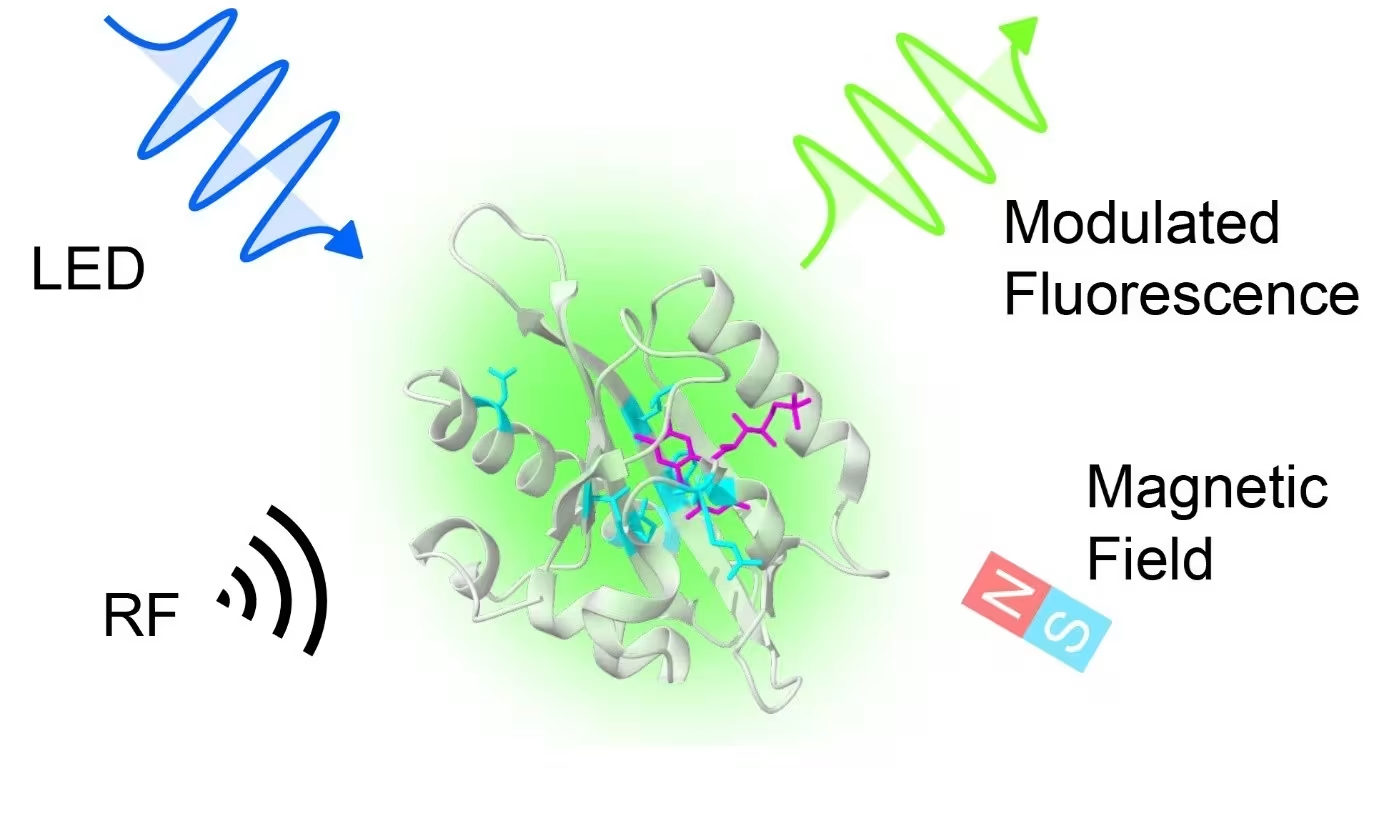
Quantum-Enabled Proteins
University of Oxford scientists engineered magneto-sensitive fluorescent proteins that respond physically to magnetic fields, creating tiny mechanical nano-trackers for targeted drug delivery.
Read Article
Fabric-Based Robotic Sensors
King's College London engineers discovered that loose clothing acts as a "mechanical amplifier," capturing human movement data 40% more accurately than skin sensors to vastly improve the training of smart robots.
Read Article
AI Prediction for Superconductors
King's College London physicists developed a machine-learning tool that simulates crystal structures to rapidly identify high-temperature superconductors for zero-loss power transmission.
Read Article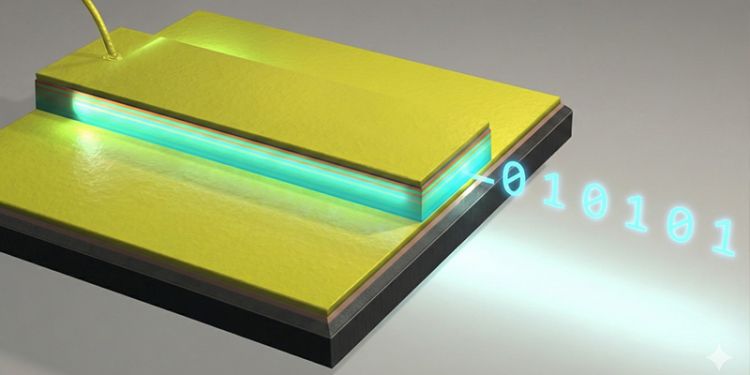
Quantum Cascade Lasers Enable Next-Generation Secure Wireless at 4GB/s
University of Leeds researchers successfully transmitted data wirelessly at 4GB/s through open air by directly modulating a terahertz-frequency quantum cascade laser, vastly outperforming current Wi-Fi and 5G speeds for secure communications.
Read Article
Highly Conductive Circuits on Biodegradable Substrates
University of Glasgow engineers developed a new method of printing highly conductive zinc-based electronic circuits directly onto biodegradable surfaces like paper and bioplastics, paving the way for fully compostable printed circuit boards (PCBs).
Read Article